Category: Uncategorized

  • Unlocking Opportunities The Benefits of the Nauru Citizenship Program

    Unlocking Opportunities: The Benefits of the Nauru Citizenship Program

    In today’s globalized world, the importance of dual citizenship has gained significant traction. Among various options available, the
    Nauru Citizenship Program Benefits Nauru Citizenship Program stands out for its distinctive benefits. This program has opened
    ways for individuals seeking not just a second passport but a whole new array of opportunities. Below, we delve into the myriad benefits offered
    by this program, illuminating why it has become a desirable choice for many.

    1. Global Mobility

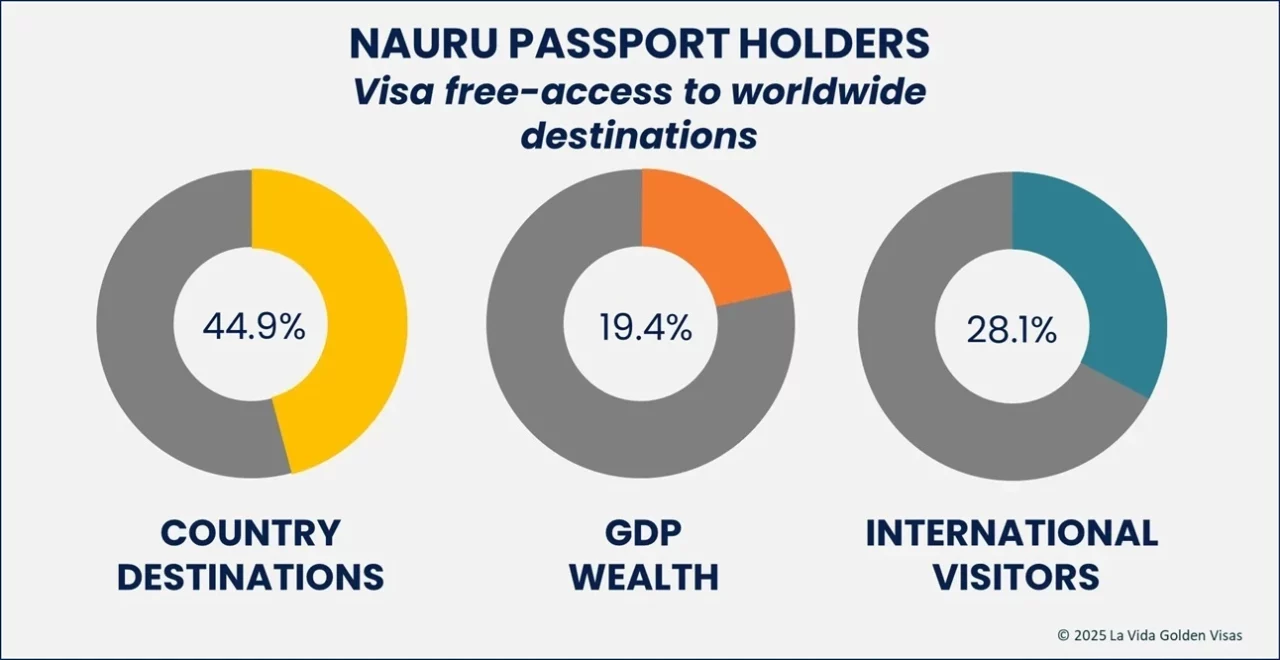
    One of the most significant advantages of obtaining citizenship in Nauru is enhanced global mobility. Nauru citizens enjoy visa-free or visa-on-arrival
    access to numerous countries around the world. This includes popular travel destinations in Asia, Europe, and Oceania. The ability to move freely across
    borders without the cumbersome process of visa applications is an enticing benefit for frequent travelers and business professionals alike.

    2. Tax Benefits

    Nauru operates on a zero-tax system for foreign residents and offers low taxation rates for citizens engaging in local economic activities.
    This financial structure allows individuals to retain more of their income and grow their wealth without the heavy burden of taxes typically
    experienced in many other jurisdictions. For entrepreneurs and investors, these tax incentives can translate into significant financial
    advantages, making the Nauru Citizenship Program appealing for those looking to optimize their tax strategies.

    3. Political Stability and Safety

    Nauru is known for its political stability and low crime rate, providing a safe and secure environment for its citizens. The country’s government
    is stable, which can be reassuring for individuals concerned about potential risks associated with political instability in other regions.
    With safety and security as priorities, individuals can live, work, and travel without the anxiety of disruptions that are often present in
    less stable countries.

    4. Quality of Life

    Life in Nauru is characterized by a high standard of living, pristine natural beauty, and a close-knit community. The small island nation offers
    a peaceful lifestyle away from the hustle and bustle of larger cities. Citizens enjoy access to unpolluted beaches, diverse marine life, and a
    warm, tropical climate year-round. For those seeking a more laid-back lifestyle, this is an invaluable benefit that enhances overall
    well-being.

    5. Educational Opportunities

    Nauru provides access to quality education through its local schools and partnerships with international educational institutions.
    Obtaining citizenship can open the doors to further educational opportunities for both individuals and their families. Education in Nauru
    is constantly evolving, with more resources being allocated to improve educational standards. This can be particularly attractive for families
    looking to secure their children’s futures through quality education.

    6. Access to Health Care

    Nauru offers public health services to its citizens, ensuring access to essential medical care. The healthcare system, while small, is focused
    on providing quality care to its residents. Moreover, the tranquil environment contributes positively to physical and mental health, making
    it an attractive option for those prioritizing a healthy lifestyle. In a world where healthcare can be prohibitively expensive, the security
    of knowing that basic health needs will be covered is a considerable advantage.

    7. Investment Opportunities

    With the rise of global markets, Nauru is also becoming an attractive location for investment. The Nauru Citizenship Program enables citizens to
    engage in business ventures on the island, which can lead to profitable opportunities, especially in tourism, agriculture, and fishing.
    The government actively encourages foreign investment, thereby creating a favorable environment for entrepreneurship. By obtaining
    citizenship, individuals are in a prime position to capitalize on these emerging markets.

    8. Community and Cultural Experience

    Becoming a citizen of Nauru allows individuals to immerse themselves in a rich culture and community. The Nauruan people take pride in their
    heritage, and citizens have the opportunity to participate in various cultural events and traditions. This not only provides a sense of belonging
    but also enriches one’s life experience. The bonds formed within this small community can often lead to lasting friendships and networks.

    Conclusion

    The benefits of the Nauru Citizenship Program are abundant and varied, catering to those searching for a new lifestyle or greater financial
    freedom. From enhanced global mobility and a favorable tax environment to the appeal of a peaceful community, Nauru offers a unique
    opportunity for individuals looking to broaden their horizons. As global dynamics continue to evolve, exploring options like the Nauru Citizenship
    Program may provide the ideal solution for those ready to embrace change and unlock new possibilities. When considering your future, the
    numerous advantages of becoming a Nauruan citizen are certainly worth your attention.

  • Understanding the Process of Interpol Red Notice Removal 949772937

    Understanding the Process of Interpol Red Notice Removal

    When individuals find themselves facing an Interpol red notice removal, the process might seem daunting. This article provides a comprehensive overview of what these notices entail, the reasons for removal, and the various approaches that can be taken to navigate this complicated landscape.

    What is an Interpol Red Notice?

    Interpol issues red notices as requests for law enforcement worldwide to locate and provisionally arrest a person pending extradition. While it is not an international arrest warrant, it serves as a crucial alert that someone is wanted for prosecution or to serve a sentence based on a valid national warrant. Red notices often arise from accusations related to criminal activities such as fraud, drug trafficking, human trafficking, and corruption.

    Why Would Someone Need to Remove a Red Notice?

    There are various reasons for seeking the removal of an Interpol red notice. These include:

    • False Allegations: Individuals may face unjust accusations that warrant the issuance of a red notice.
    • Expired Charges: Charges may have expired, or the individual may have never been formally charged in their home country.
    • Political Motivation: Sometimes, red notices are issued for politically motivated reasons, infringing on a person’s rights and safety.
    • Resolution of Legal Issues: The underlying issues leading to the red notice may have been resolved, warranting its removal.

    The Process of Red Notice Removal

    The procedure for removing a red notice typically involves several stages:

    1. Evaluate the Notice

    The first step is to carefully evaluate the contents of the red notice. Understanding the allegations and the legal basis for the notice is crucial. Individuals should seek legal advice to ascertain the most appropriate steps forward.

    2. Gather Evidence

    In order to challenge a red notice, individuals must compile evidence supporting their case. This may include documentation that proves their innocence, establishes that the allegations are baseless, or illustrates their rights have been violated.

    3. Submission of a Request

    The next phase involves submitting a request for the removal of the red notice to the Commission for the Control of Interpol’s Files (CCF). The application should detail the reasons for the request and include all supporting evidence.

    4. Decision by CCF

    The CCF will review the submission

    and make a decision. This process can be time-consuming, taking several months or even longer. The CCF may uphold the red notice, agree to its removal, or request additional information.

    Challenges in the Removal Process

    Although it’s possible to challenge a red notice, individuals may encounter several challenges:

    • Legal Expertise: The process can be complex, requiring considerable knowledge of international law and the legal mechanisms of Interpol.
    • Time Consuming: The review process can take an extended period, leaving individuals in legal limbo.
    • Political Context: In cases where political motivations are involved, gaining a fair hearing can be particularly problematic.

    What to Do if a Red Notice Has Been Issued Against You

    If you are facing an Interpol red notice, it is essential to take immediate action:

    1. Consult a lawyer specializing in international law who can guide you through the legal complexities.
    2. Document all correspondence related to the notice and the legal proceedings surrounding your case.
    3. Stay informed about your rights as a human being and ensure they are upheld during the process.

    Legal Assistance and Resources

    Obtaining legal help from professionals who specialize in Interpol law can greatly increase the chances of successfully removing a red notice. These experts understand the nuances of international law and can create compelling arguments for your case. Additionally, several organizations advocate for individuals facing injustices due to red notices, providing valuable resources and support.

    Conclusion

    The removal of an Interpol red notice is a critical process for those wrongfully accused or who wish to clear their name. While the journey can be challenging and fraught with complexities, understanding the legal framework and seeking appropriate support can lead to a successful resolution. Engaging legal counsel specialized in this field is often the best course of action to navigate the murky waters of international law and law enforcement cooperation.

    Whether the allegations stem from political motivations, misunderstandings, or fabricated claims, exploring options for removal through due process is essential for those affected. Arm yourself with knowledge and legal support to reclaim your freedom and reputation.

  • Understanding the Role of a Sanctions Lawyer in Today’s Global Legal Landscape

    In an increasingly interconnected world, the complexities of international law often necessitate the expertise of a sanctions lawyer. These legal professionals specialize in the intricate web of sanctions regulations imposed by governments and international bodies. Whether you are a business operating globally or an individual facing targeted sanctions, the role of a sanctions lawyer becomes essential. For further information, visit sanctions lawyer https://sanction-lawyer.com.

    What Are Sanctions?

    Sanctions are tools used by governments and international organizations to influence behavior and enforce policy decisions. They can take many forms, including economic sanctions, trade restrictions, and travel bans. Sanctions can be imposed against countries, organizations, or individuals deemed to be a threat to national security, human rights, or international peace. Understanding the different types of sanctions is crucial for businesses and individuals alike, as they navigate the potential risks that come with global operations.

    The Importance of Sanctions Lawyers

    Sanctions lawyers play a critical role in helping clients comply with these regulations. Key responsibilities include:

    • Advising clients on the implications of sanctions regulations on their operations.
    • Identifying applicable sanctions and their impact on transactions.
    • Assisting in compliance efforts to avoid penalties.
    • Representing clients in enforcement proceedings or disputes related to sanctions.

    Types of Sanctions

    Sanctions can broadly be categorized into two main types: primary and secondary sanctions. Understanding these distinctions is vital for anyone engaged in international business or relations.

    1. Primary Sanctions

    Primary sanctions target individuals or entities directly. These can include prohibitions against doing business with specific persons, companies, or countries. For instance, trade with nations subject to comprehensive sanctions, such as North Korea or Iran, may be entirely restricted.

    2. Secondary Sanctions

    Secondary sanctions, on the other hand, extend beyond the immediate target. They penalize third parties who conduct business with sanctioned entities, thereby indirectly influencing international trade and relationships.

    Challenges Faced by Clients

    Clients seeking the assistance of a sanctions lawyer often face a myriad of challenges:

    • Complex Regulatory Environment: Laws governing sanctions vary significantly by jurisdiction and are frequently updated. Staying compliant demands continuous legal oversight.
    • Inadvertent Violations: Businesses may unknowingly engage with sanctioned individuals or entities, leading to severe legal and financial consequences.
    • Reputational Risks: Being associated with sanctioned parties can damage a company’s reputation, affecting relationships with customers, partners, and regulatory bodies.

    How a Sanctions Lawyer Can Help

    Engaging a sanctions lawyer can provide clients with the following benefits:

    1. Comprehensive Compliance Programs

    Sanctions lawyers can develop and implement compliance programs tailored to the specific needs of a business. This ensures that all operations conform to relevant regulations, minimizing the risk of violations.

    2. Risk Assessment and Management

    Identifying potential risks associated with sanctions is a key area where lawyers excel. They conduct thorough assessments to uncover any vulnerabilities in a client’s operations.

    3. Legal Representation

    In the event of an investigation or enforcement action, having a lawyer well-versed in sanctions law is crucial. They provide representation and advocacy, protecting the rights and interests of the client.

    The Future of Sanctions Law

    As international relations evolve, so too do sanctions laws. The emergence of digital currencies, global trade shifts, and geopolitical tensions highlights the need for specialized legal counsel. Sanctions lawyers must stay abreast of these developments to effectively guide their clients through changing landscapes.

    Conclusion

    The role of a sanctions lawyer is vital in ensuring compliance with complex regulations that are constantly evolving. In a world where financial and legal repercussions can arise from even minor missteps, having expert guidance is more important than ever. Whether a business is looking to expand its operations or an individual is facing the possibility of sanctions, consulting with a knowledgeable sanctions lawyer can provide peace of mind and strategic direction.

  • 瓦努阿图护照价格解析及其投资优势

    瓦努阿图护照价格解析及其投资优势

    在今天这个全球化的时代,越来越多的人希望拥有一个灵活的护照,以便轻松出入不同国家和地区。瓦努阿图护照以其独特的投资移民项目而闻名,吸引了大量申请者。想了解关于 Vanuatu passport price Vanuatu Passport Price 的更多信息吗?本文将详细解析瓦努阿图护照的价格、申请流程和其背后的投资优势。

    瓦努阿图护照的基本信息

    瓦努阿图是位于南太平洋的一个群岛国家,以其美丽的自然风光和温暖的气候而著称。近年来,瓦努阿图通过其护照投资计划(Citizenship by Investment Program)吸引了众多国际投资者。该计划允许投资者通过经济贡献获得瓦努阿图国籍,从而获取一本全球通用的护照。

    瓦努阿图护照的费用

    瓦努阿图护照的价格取决于多个因素,包括申请人的家庭成员数量、申请的服务机构以及具体的投资类型。一般来说,基本申办费用大概为十万至十五万美元,具体如下:

    • 单人申请:大约10万美元(不包括额外的服务费用)
    • 家庭申请(配偶和两个孩子):约为15万美元
    • 额外家庭成员:通常每增加一位成员需要额外支付5万美元

    除上述投资费用外,申请者还需支付一定的行政费用、尽职调查费用以及其他相关费用,整体费用可能达到二十万美元以上。

    申请流程

    申请瓦努阿图护照的流程相对简单。通常包括以下步骤:

    1. 选择一个合格的代理机构或法律顾问。
    2. 准备所需文件,如护照副本、出生证明、无犯罪记录证明等。
    3. 提交申请和相关费用。
    4. 等待尽职调查审核。
    5. 通过审核后,完成政府指定的投资。
    6. 领取护照,享受国籍待遇。

    瓦努阿图护照的投资优势

    申请瓦努阿图护照来获得国籍除了较低的投资门槛外,还有众多其他优势:

    1. 免签及免签国家

    获得瓦努阿图护照后,持有者可以在全球近130个国家和地区享受免签待遇,包括英国、俄罗斯及大部分欧盟国家。

    2. 稳定的政治环境

    瓦努阿图是一个政治相对稳定的国家,为投资者和其家庭提供安全的生活环境。

    3. 低税收政策

    瓦努阿图对全球收入不征税,没有个人所得税、资本利得税、遗产税及赠与税,这对于希望通过投资保存财富的申请者来说是一个极大的吸引力。

    4. 快速的申请审批

    瓦努阿图护照的申请审批过程比较迅速,通常在提交完整申请后的几个月内就能获得护照,这是很多国家的投资移民项目所无法比拟的。

    常见问题解答

    >

    1. 申请瓦努阿图护照需要多长时间?

    一般来说,从提交申请到获得护照的时间大约在2到3个月之间,具体时间会受到申请材料完整性和尽职调查速度的影响。

    2. 瓦努阿图护照可以传给后代吗?

    是的,瓦努阿图护照可以传给合法配偶和子女,同时申请者的配偶和未满25岁的子女均可作为申请者的附加成员之一。

    3. 申请者需要满足特定的居住要求吗?

    申请者不需要在瓦努阿图居住,申请过程中也不要求申请者前往岛国。但在某些情况下,申请者可能会被要求进行面试或提供额外证明。

    总结

    总的来说,瓦努阿图护照以其低投资门槛、丰富的免签国家以及快速审批程序而受到广泛欢迎。对于希望获得国际通行证的投资者来说,瓦努阿图护照无疑是一个值得考虑的选择。希望通过本文的介绍,您对 Vanuatu Passport Price 有了更深入的了解,能够帮助您作出明智的决策。

  • Vanuatu vs Caribbean Citizenship A Comprehensive Comparison

    Vanuatu vs Caribbean Citizenship: A Comprehensive Comparison

    When considering global mobility, many individuals look towards citizenship by investment programs. In the pursuit of a second passport, Vanuatu and various Caribbean nations have emerged as popular choices. Each offers unique benefits, requirements, and lifestyle options. In this article, we delve into the nuances of Vanuatu vs Caribbean Citizenship: Which Is Better? for prospective investors and travelers.

    Introduction to Citizenship by Investment

    Citizenship by investment (CBI) programs allow individuals to obtain a second citizenship in exchange for economic contributions to a country. This can range from real estate investments to donations to national development funds. The motivations for obtaining a second passport vary widely, from increased travel freedom and tax benefits to personal security and lifestyle enhancement.

    The Appeal of Vanuatu Citizenship

    Vanuatu, a stunning archipelago in the South Pacific, offers a straightforward CBI program that has attracted numerous investors. The Vanuatu Citizenship Program was established in 2017 and is known for its efficiency and quick processing times, allowing successful applicants to receive citizenship within a few months.

    Key Benefits of Vanuatu Citizenship

    • Visa-Free Travel: Holders of Vanuatu passports can access over 130 countries without the need for a visa, including the UK and Schengen Area.
    • No Income Tax: Vanuatu does not impose income tax on foreign income, making it attractive to business owners and high-net-worth individuals.
    • Minimal Residency Requirements: Applicants are not required to reside in Vanuatu, providing flexibility for those who wish to maintain their primary residence elsewhere.
    • Quick and Hassle-Free Process: The citizenship application process is known for its speed, typically taking 1 to 2 months from submission to approval.

    The Caribbean Citizenship Landscape

    Several Caribbean nations offer CBI programs, including Antigua and Barbuda, Saint Kitts and Nevis, Dominica, Grenada, and Saint Lucia. Each country has its own distinct advantages and appeal, but generally, the Caribbean offers attractive options for obtaining second citizenship.

    Key Benefits of Caribbean Citizenship

    • Variety of Options: Different Caribbean nations provide various investment pathways, from real estate to government funds, allow applicants to choose based on personal preferences and financial goals.
    • Visa-Free Travel: Caribbean citizenship enables access to numerous countries, with holders able to travel to the UK, the Schengen Zone, and parts of Asia.
    • Investment in Emerging Markets: Investing in Caribbean real estate or economy can be financially rewarding due to tourism and economic growth.
    • Family Inclusion: Most Caribbean CBI programs allow inclusion of dependents, making it a family-oriented investment.

    Comparative Analysis: Vanuatu vs Caribbean Citizenship

    While both Vanuatu and Caribbean nations offer attractive citizenship options, there are key differences that prospective applicants should consider:

    Investment Requirements

    Vanuatu’s investment requirement is typically lower than many Caribbean countries, particularly when considering real estate commitments. However, Caribbean nations offer more diverse investment options, often allowing investors to choose paths that align with their financial strategy.

    Processing Times

    Vanuatu is renowned for its fast processing times, with applicants often receiving their passports within two months. In contrast, Caribbean programs can vary significantly in processing speeds, with some programs taking longer due to bureaucratic procedures.

    Tax Considerations

    Both Vanuatu and most Caribbean nations have favorable tax regimes, particularly concerning income earned overseas. However, potential investors should consider additional tax implications based on their current residency status and future plans.

    Quality of Life

    When selecting a citizenship program, quality of life is a critical factor. Both Vanuatu and Caribbean countries boast beautiful environments, warm climates, and vibrant cultures. However, lifestyle specifics such as healthcare, education, and infrastructure vary significantly between these regions.

    Conclusion

    Deciding between Vanuatu and Caribbean citizenship involves careful consideration of personal financial goals, lifestyle preferences, and travel needs. Vanuatu stands out for its straightforward process and low investment requirements, while the Caribbean offers diverse options and an established living environment. Ultimately, prospective applicants should conduct thorough research and possibly consult with immigration professionals to select the best path for their individual circumstances.

    Final Thoughts

    The world of citizenship by investment is vast and constantly evolving. Whether opting for the serene beaches of Vanuatu or the vibrant lifestyle of the Caribbean, ensuring that you make an informed decision is crucial. Take the time to weigh your options, understand the implications, and choose a destination that enhances not just your mobility but also your life experience.

  • Understanding the Role of OFAC Lawyers in Sanctions Compliance

    Understanding the Role of OFAC Lawyers in Sanctions Compliance

    The increasing complexities of international trade and finance necessitate the guidance of legal experts. One such area requiring specialized knowledge is compliance with the Office of Foreign Assets Control (OFAC) regulations. OFAC lawyers OFAC Lawyers play a pivotal role in helping businesses navigate these intricate legal landscapes, ensuring they operate within the bounds of U.S. laws while engaging in global commerce.

    What is OFAC?

    The Office of Foreign Assets Control (OFAC) is an office of the U.S. Department of the Treasury that administers and enforces economic and trade sanctions based on U.S. foreign policy and national security goals. These sanctions often target countries, entities, and individuals involved in activities that violate U.S. law, including terrorism, narcotics trafficking, and the proliferation of weapons of mass destruction.

    The Importance of OFAC Compliance

    Violations of OFAC regulations can lead to severe penalties, including hefty fines and restrictions on doing business. To mitigate the risks, companies must ensure compliance, which involves understanding the nuances of the sanctioned parties and jurisdictions.

    In today’s interconnected global economy, even a minor oversight can have catastrophic implications for businesses. Therefore, enlisting the help of skilled OFAC lawyers is essential for organizations engaged in international activities.

    How OFAC Lawyers Assist Companies

    OFAC lawyers provide an array of services geared towards ensuring comprehensive compliance with sanctions laws:

    1. Risk Assessment and Due Diligence

    One of the primary roles of OFAC lawyers is to conduct thorough risk assessments. This involves identifying potential exposures to sanctions violations and implementing due diligence processes to vet partners, clients, and suppliers. By meticulously reviewing existing and proposed business relationships, OFAC lawyers can help minimize the risk of inadvertent sanctions violations.

    2. Compliance Programs Development

    Implementing a robust compliance program is critical for any organization involved in international trade. OFAC lawyers assist in developing tailored compliance programs that align with the specific needs and risks of the business. These programs often include training modules for employees, standard operating procedures, and monitoring systems to detect potential violations.

    3. Navigation of Licensing Procedures

    In cases where engagement with a sanctioned party is essential, OFAC lawyers can help navigate the licensing process. They understand the legal requirements and can assist in drafting and submitting requests for licenses, thereby ensuring that companies adhere to regulations while pursuing legitimate business interests.

    4. Representation in Investigations and Penalties

    In the event of a suspected violation, OFAC lawyers are invaluable allies. They represent clients in investigations, liaise with the Treasury Department, and help negotiate settlements or mitigation of penalties. Their expertise can prove essential in reducing fines or avoiding legal repercussions altogether.

    Key Qualities to Look for in an OFAC Lawyer

    When selecting an OFAC lawyer, organizations should consider several key qualities:

    1. Experience with OFAC Regulations

    It’s crucial to work with a lawyer who has extensive experience in OFAC compliance. Such expertise allows them to understand the intricacies of the laws and provide insightful guidance tailored to your specific industry.

    2. Strong Negotiation Skills

    OFAC lawyers often need to negotiate with government agencies on behalf of their clients. Effective negotiation skills can lead to favorable outcomes, whether in obtaining licenses or disputing penalties.

    3. Excellent Communication Skills

    Given the complexity of sanctions regulations, OFAC lawyers must be able

    to communicate effectively and clearly. They should be adept at explaining intricate concepts to clients and ensuring all stakeholders understand their compliance obligations.

    4. Ethical Integrity

    OFAC lawyers must maintain the highest ethical standards, especially when dealing with regulations that have significant implications for national security. Trustworthiness and integrity are paramount in this field.

    Common Misconceptions about OFAC Lawyers

    Despite their importance, several misconceptions about OFAC lawyers persist:

    1. They Only Help in Crisis Situations

    While OFAC lawyers are crucial during crises, their role is proactive, focusing on preventing violations rather than merely responding to them.

    2. OFAC Compliance is Only Relevant to Large Corporations

    In reality, businesses of all sizes engaging in international transactions must comply with OFAC regulations. Therefore, small and medium-sized enterprises also benefit significantly from the services provided by OFAC lawyers.

    Conclusion

    In an increasingly globalized world, the role of OFAC lawyers has become indispensable. These legal professionals help safeguard businesses by ensuring compliance with sanctions regulations, minimizing risks, and navigating the complexities of international law. By securing the services of OFAC lawyers, organizations can confidently engage in international transactions while adhering to their legal obligations.

    As the landscape of global trade continues to evolve, the expertise of OFAC lawyers will remain critical in helping businesses thrive within legal frameworks. Engaging a qualified OFAC lawyer is not just a smart business decision; it’s a proactive step towards ensuring your organization’s integrity and longevity in international markets.

  • Vanuatu vs Caribbean Citizenship A Comprehensive Comparison

    Vanuatu vs Caribbean Citizenship: Which Is Better?

    In the realm of global citizenship, options abound for individuals seeking a second passport. Among the most sought-after programs are those in Vanuatu and the Caribbean. Each offers unique benefits, costs, and requirements. In this article, we will delve deeply into Vanuatu vs Caribbean Citizenship: Which Is Better? to help you make an informed decision about which destination may suit your lifestyle and needs best.

    Understanding Citizenship by Investment Programs

    Citizenship by investment (CBI) programs allow individuals to acquire a passport in exchange for a significant financial contribution to the host country. These programs typically involve investing in real estate, contributing to a national development fund, or making a substantial donation to a designated project. CBI offers several advantages, including visa-free travel, tax benefits, and the right to reside and work in the host country.

    Vanuatu Citizenship: Overview

    Vanuatu, an archipelago in the South Pacific, is known for its stunning natural beauty and relaxed lifestyle. Since 2017, it has offered a Citizenship by Investment program that has garnered significant attention globally. The program primarily requires applicants to make a non-refundable contribution to the Vanuatu Development Support Program (VDSP).

    Benefits of Vanuatu Citizenship

    • Fast Processing: The processing time for Vanuatu citizenship is relatively quick, typically taking around 1 to 2 months.
    • Visa-Free Travel: Vanuatu passport holders enjoy visa-free access to over 130 countries, including the Schengen Area, the UK, and Russia.
    • Tax Benefits: Vanuatu has no income tax, capital gains tax, or inheritance tax, making it an attractive option for high-net-worth individuals.
    • Peaceful and Safe Environment: Vanuatu is known for its political stability, safety, and a relaxed lifestyle.
    • Opportunity for Future Generations: Citizenship can be passed on to future generations, providing them with similar benefits.

    Caribbean Citizenship: Overview

    The Caribbean region offers multiple CBI programs, with standout nations such as St. Kitts and Nevis, Dominica, Grenada, and Antigua and Barbuda. Each program has its unique set of benefits and requirements, often appealing to investors from various regions, including Europe, Asia, and the Middle East.

    Benefits of Caribbean Citizenship

    • Diverse Options: The Caribbean features several CBI programs, allowing for flexibility in investment choices ranging from real estate to government-approved donations.
    • Visa-Free Travel: Caribbean passports offer visa-free or visa-on-arrival access to numerous countries, including the EU Schengen Area and the UK.
    • Stable Economies and Investment Opportunities: Many Caribbean nations are economically stable with potential business opportunities in tourism and real estate.
    • Attractive Tax Regimes: Several Caribbean nations have low tax rates, appealing to high-net-worth individuals looking for tax optimization.
    • Family Inclusion: Most Caribbean CBI programs permit applicants to include family members in their citizenship application.

    Costs: A Comparative Analysis

    The costs associated with acquiring citizenship in Vanuatu and the Caribbean can vary significantly. In Vanuatu, the primary requirement is a minimum donation of approximately $130,000 for a single applicant to the VDSP. Additional fees such as processing charges and due diligence fees may apply.

    In contrast, the Caribbean programs offer a spectrum of pricing depending on the nation and the investment route chosen. For example, the St. Kitts and Nevis program requires a minimum investment of $150,000 in a government-approved real estate project or a contribution of $100,000 to the Sustainable Growth Fund. Overall, costs can range from $100,000 to $250,000 or more, depending on the pathway chosen.

    Residency Requirements

    One of the significant differences between Vanuatu and Caribbean citizenship is the residency requirement. Vanuatu does not impose any residency obligations, allowing passport holders to live anywhere globally. Conversely, certain Caribbean countries may require applicants to spend some time in their territory before being granted citizenship.

    Processing Time

    The processing time for Vanuatu citizenship is generally faster than that of most Caribbean nations. Vanuatu can process an application within 1 to 2 months, while Caribbean programs often have processing times ranging from 3 to 6 months or longer, depending on the specific country’s regulations and the volume of applications.

    Reputation and Stability

    When considering citizenship by investment, it’s crucial to assess the reputation and political stability of the host country. Vanuatu has gained recognition for its straightforward processes and favorable environment. In contrast, the Caribbean nations also have strong reputations; however, varying degrees of economic stability and political history should be considered. Investors should research the specific country of interest to ensure it aligns with their values and investment goals.

    Conclusion: Which Option is Right for You?

    Choosing between Vanuatu and Caribbean citizenship ultimately depends on your personal preferences, financial situation, and long-term goals. If you prioritize a quick application process without residency requirements, Vanuatu may be the optimal choice. On the other hand, if you value diverse investment options and the potential for family inclusion, a Caribbean program might be more suitable.

    Both options present unique advantages, making them attractive to different types of investors. As global mobility becomes increasingly important, understanding the nuances of these programs will empower you to make a well-informed decision. Whether you opt for the picturesque landscapes of Vanuatu or the vibrant culture of the Caribbean, either path serves as a gateway to global freedom and opportunity.

  • Understanding Unlawful Detention and Arrest Defense Your Rights Explained

    Unlawful Detention and Arrest Defense: Know Your Rights

    In today’s world, understanding your rights surrounding unlawful detention and arrest is crucial. Many people are unaware of the legal protections afforded to them, which can lead to unintended consequences. Unlawful Detention & Arrest Defense encompasses a range of legal expectations and safeguards that ensure law enforcement acts within the boundaries of the law. This article aims to provide a thorough exploration of unlawful detention and the defense options available to those who find themselves in such a situation.

    What Constitutes Unlawful Detention?

    Unlawful detention occurs when an individual is held by law enforcement without proper legal justification. This can include situations where the police do not have probable cause, warrant, or exigent circumstances to justify the arrest or detention. Understanding the parameters around lawful and unlawful detention is essential, as it influences the defense strategies available to individuals who may have been wrongfully detained.

    Key Terms Defined

    To fully grasp the concept of unlawful detention, it’s essential to understand some key terms:

    • Probable Cause: A reasonable basis for believing that a crime may have been committed. It is necessary for an arrest to be considered lawful.
    • Warrant: A legal document issued by a judge authorizing law enforcement to perform a certain act, usually the arrest of an individual.
    • Exigent Circumstances: Situations that require immediate action by law enforcement, which may justify a warrantless arrest or search.

    Your Rights During Detention

    When detained by law enforcement, individuals have specific rights that must be upheld. Understanding these rights can empower individuals and inform their actions during a potentially high-stress situation:

    • The Right to Remain Silent: Under the Fifth Amendment, you have the right to refuse to answer questions posed by law enforcement.
    • The Right to Legal Counsel: You have the right to an attorney, and if you cannot afford one, the state must provide one for you.
    • The Right to Know the Charges: You have the right to be informed of the nature of the charges against you in a timely manner.

    Common Scenarios of Unlawful Detention

    Unlawful detention can manifest in various ways. Here are common scenarios:

    1. Stop-and-Frisk Violations: Law enforcement initiating a search or seizure without reasonable suspicion.
    2. Exceeding the Time Limit: Holding an individual without charge for an unreasonable length of time.
    3. Lack of Probable Cause: Detaining an individual without sufficient evidence or justification for the arrest.

    Legal Avenues for Challenging Unlawful Detention

    If you believe you have been unlawfully detained, there are several legal avenues available for recourse:

    1. Legal Representation

    Engaging an experienced attorney familiar with unlawful detention laws can significantly improve your chances of pursuing a successful defense. They can help you navigate the complexities of the legal system and develop a strategy tailored to your case.

    2. Filing a Complaint

    Filing a complaint with the law enforcement agency involved can be an avenue for formal acknowledgment of the wrongful act. This step often leads to an internal investigation.

    3. Civil Lawsuit

    In some cases, individuals may choose to pursue a civil lawsuit against the law enforcement agency for damages resulting from unlawful detention. This can involve claims under federal civil rights laws.

    Conclusion

    Being informed about your rights concerning unlawful detention and arrest is not just beneficial; it is essential. The legalities surrounding such situations can be complex, so understanding the concepts and your rights can equip you better if you ever face such an ordeal. Remember, your freedom is invaluable, and knowing how to defend it is a critical aspect of navigating the legal system.

    If you or someone you know is facing unlawful detention, seeking professional legal advice is crucial. Understanding the intricacies of the law can help protect your rights and ensure that justice is served.

  • Understanding the Costs of Nauru Citizenship

    Understanding the Costs of Nauru Citizenship

    Acquiring Nauru citizenship can be an attractive option for many individuals seeking new opportunities and benefits. However, understanding the associated costs is essential for anyone considering this path. For a detailed breakdown of expenses, you can check this article: How Much Does Nauru Citizenship Cost? In this article, we will explore the various costs and considerations involved in obtaining citizenship in Nauru.

    Overview of Nauru Citizenship

    Nauru is a small island nation in the Pacific Ocean, known for its remote location and unique citizenship options. Gaining citizenship in this country can provide numerous benefits, such as the ability to travel visa-free to several countries, access to quality education, and the opportunity to invest in a growing economy. However, acquiring Nauru citizenship is not without its financial implications.

    Application Fees

    The first cost to consider when applying for Nauru citizenship is the application fee. This fee may vary depending on the specific program under which you are applying. Generally, the application fee for Nauru citizenship can range from several hundred to a few thousand dollars. It’s vital to verify the latest fee schedule provided by the Nauru government or relevant authorities handling citizenship applications.

    Legal and Processing Fees

    Engaging legal assistance when applying for citizenship is often advisable, particularly for navigating the complexities of immigration law. Legal fees can vary widely based on the service provider’s experience and the complexity of your case. On average, you may expect to pay anywhere from $2,000 to $5,000 for legal fees associated with the citizenship application process.

    Residency Requirements

    In most cases, acquiring Nauru citizenship may require meeting specific residency requirements. Applicants may need to live in Nauru for a certain period, which can lead to additional living expenses such as housing, food, and other daily necessities. The length of required residency may vary based on the citizenship program, and this aspect should be factored into your total costs.

    Investment Opportunities

    Nauru offers pathways to citizenship through investment, which may require a significant financial commitment. Applicants could be expected to make a substantial capital investment in Nauru’s economy, such as funding local businesses or contributing to property development. The investment amount can be quite high, ranging from $100,000 to several million dollars, depending on the nature of the investment.

    Additional Costs

    Beyond the primary application and legal fees, there are various additional costs that applicants should anticipate. These may include expenses for document preparation, translation services, and any necessary background checks. Additionally, applicants should consider travel expenses for trips to and from Nauru during the application process.

    Health Insurance and Financial Stability

    As part of the citizenship process, applicants may need to demonstrate health insurance coverage and financial stability. Depending on the health insurance provider and coverage level, applicants should be prepared for health insurance costs, whic

    h can vary significantly. Ensuring adequate financial means might also entail demonstrating sufficient savings or income to support living in Nauru temporarily.

    Potential Savings and Benefits

    While the costs associated with gaining Nauru citizenship can seem daunting, potential long-term benefits may justify the expenses. Nauru citizens enjoy certain privileges like visa-free access to various countries, which could result in savings on international travel compared to other nationalities. Additionally, Nauru’s relatively low cost of living can translate into financial benefits for those who settle there.

    Conclusion

    In summary, acquiring Nauru citizenship entails a range of costs, including application fees, legal assistance, residency requirements, and potential investment amounts. While these expenses may appear significant, weighing them against the benefits of Nauru citizenship is essential for making a well-informed decision. By doing thorough research and potentially consulting with immigration experts, individuals can prepare adequately for the financial commitments required for obtaining citizenship in this unique island nation.

  • Unlocking Financial Freedom The Essential Guide to Frozen Assets Recovery

    Unlocking Financial Freedom: The Essential Guide to Frozen Assets Recovery

    If you’ve ever found your financial assets unexpectedly frozen due to legal or regulatory issues, you’re not alone. The complexities associated with frozen assets recovery can be daunting, but understanding the process can help you regain control of your finances. In this guide, we’ll explore what frozen assets are, the reasons they may be seized, and effective strategies for recovering them, including the importance of professional assistance in navigating through these complex matters. For more details and expert help on this topic, visit Frozen Assets Recovery.

    What Are Frozen Assets?

    Frozen assets refer to funds or properties that are temporarily restricted from being used or accessed by the owner. This ban usually lasts until the resolution of a legal matter or regulatory investigation. Such assets can include bank accounts, real estate, stocks, and other financial instruments. The freezing of assets can occur due to various reasons including pending litigation, tax issues, compliance with international sanctions, or as part of a criminal investigation. For individuals and businesses alike, this scenario can result in significant financial turmoil and stress.

    Common Reasons for Asset Freezing

    The reasons that may lead to the freezing of assets are numerous, but some of the most prevalent include:

    • Legal Disputes: If you are involved in litigation or if a court orders a freeze on your assets pending the outcome of a case, your funds may be restricted.
    • Unpaid Taxes: Tax authorities may freeze bank accounts or seize property if taxes owed are not paid on time.
    • Fraud Allegations: If there’s suspicion of fraud or illegal activities, law enforcement agencies may freeze assets as part of their investigation.
    • Sanctions Compliance: Businesses and individuals can find their assets frozen if they inadvertently or knowingly deal with sanctioned individuals or countries.

    The Impact of Frozen Assets

    The implications of having your assets frozen can be profound. In personal finance, those impacted may struggle to pay bills, meet mortgage or loan obligations, or cover daily living expenses. For businesses, asset freezes can halt operations, prevent payroll from being met, and potentially lead to bankruptcy. Additionally, prolonged asset freezes can damage reputations and trust with clients, partners, and stakeholders.

    Steps to Recover Frozen Assets

    Recovering frozen assets can be a complex path, often requiring legal expertise and knowledge of the specific regulatory framework involved. Here are critical steps to take when tackling frozen assets:

    1. Understand the Reason for the Freeze

    The first step is to comprehend why your assets have been frozen. Request relevant documents or notifications from banks or regulatory agencies which can clarify the situation. Knowing the cause is vital in determining your next moves.

    2. Gather Documentation

    Document everything related to your assets and the freeze itself. This includes bank statements, transaction records, communication with agencies, and any legal notices you’ve received. Proper documentation will be crucial in building your case.

    3. Seek Legal Advice

    Engaging a legal expert who specializes in asset recovery is highly recommended. An experienced attorney can navigate the complexities of your case, negotiate with the authorities, and represent you in court if necessary. They can also provide guidance on the best approach to take based on the specific circumstances of your situation.

    4. Respond to Legal Notices

    If you have received any legal notifications regarding your frozen assets, it’s essential to respond promptly. Noncompliance could worsen your situation, while a timely response can show that you are taking the matter seriously.

    5. Consider an Appeal

    Depending on the jurisdiction and reasons for the asset freeze, you may have the option to appeal the decision. Work closely with your attorney to assess the viability of this option. If successful, this could lead to the release of your frozen assets.

    6. Maintain Clear Communication

    Throughout the recove

    ry process, keeping in contact with your bank, legal representatives, and any relevant authorities is critical. Transparency helps in rebuilding trust and may facilitate a quicker resolution of your case.

    Preventing Future Freezes

    Once you have successfully navigated the recovery of frozen assets, it is important to take steps to minimize the risk of future freezes:

    • Tax Compliance: Ensure that you are up to date with any tax obligations.
    • Review Transactions: Regularly monitor your financial transactions to ensure you are not unintentionally engaging in illicit activities.
    • Stay Informed: Keep track of any sanctions or regulations that apply to your business or investments, particularly if you operate internationally.

    Conclusion

    Recovering frozen assets requires a strategic approach, informed decision-making, and often expert legal representation. With the complexities involved, navigating this process can indeed be overwhelming. However, by understanding the reasons behind asset freezes, following the proper channels for recovery, and taking preventive measures, you can regain control of your financial situation. Don’t hesitate to seek professional assistance and leverage the tools available to facilitate your frozen assets recovery.