Blog

  • Vanuatu vs Caribbean Citizenship A Comprehensive Comparison

    Vanuatu vs Caribbean Citizenship: A Comprehensive Comparison

    When considering global mobility, many individuals look towards citizenship by investment programs. In the pursuit of a second passport, Vanuatu and various Caribbean nations have emerged as popular choices. Each offers unique benefits, requirements, and lifestyle options. In this article, we delve into the nuances of Vanuatu vs Caribbean Citizenship: Which Is Better? for prospective investors and travelers.

    Introduction to Citizenship by Investment

    Citizenship by investment (CBI) programs allow individuals to obtain a second citizenship in exchange for economic contributions to a country. This can range from real estate investments to donations to national development funds. The motivations for obtaining a second passport vary widely, from increased travel freedom and tax benefits to personal security and lifestyle enhancement.

    The Appeal of Vanuatu Citizenship

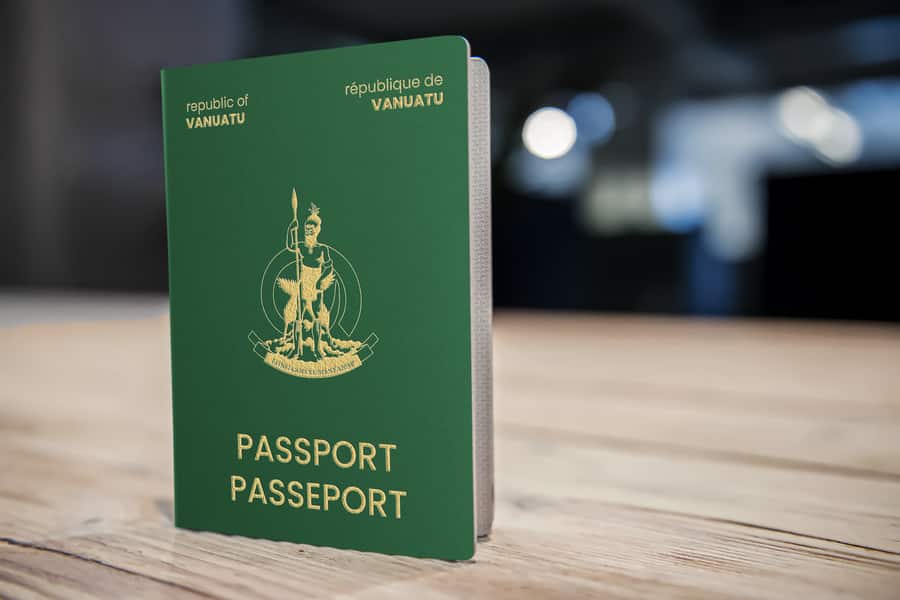
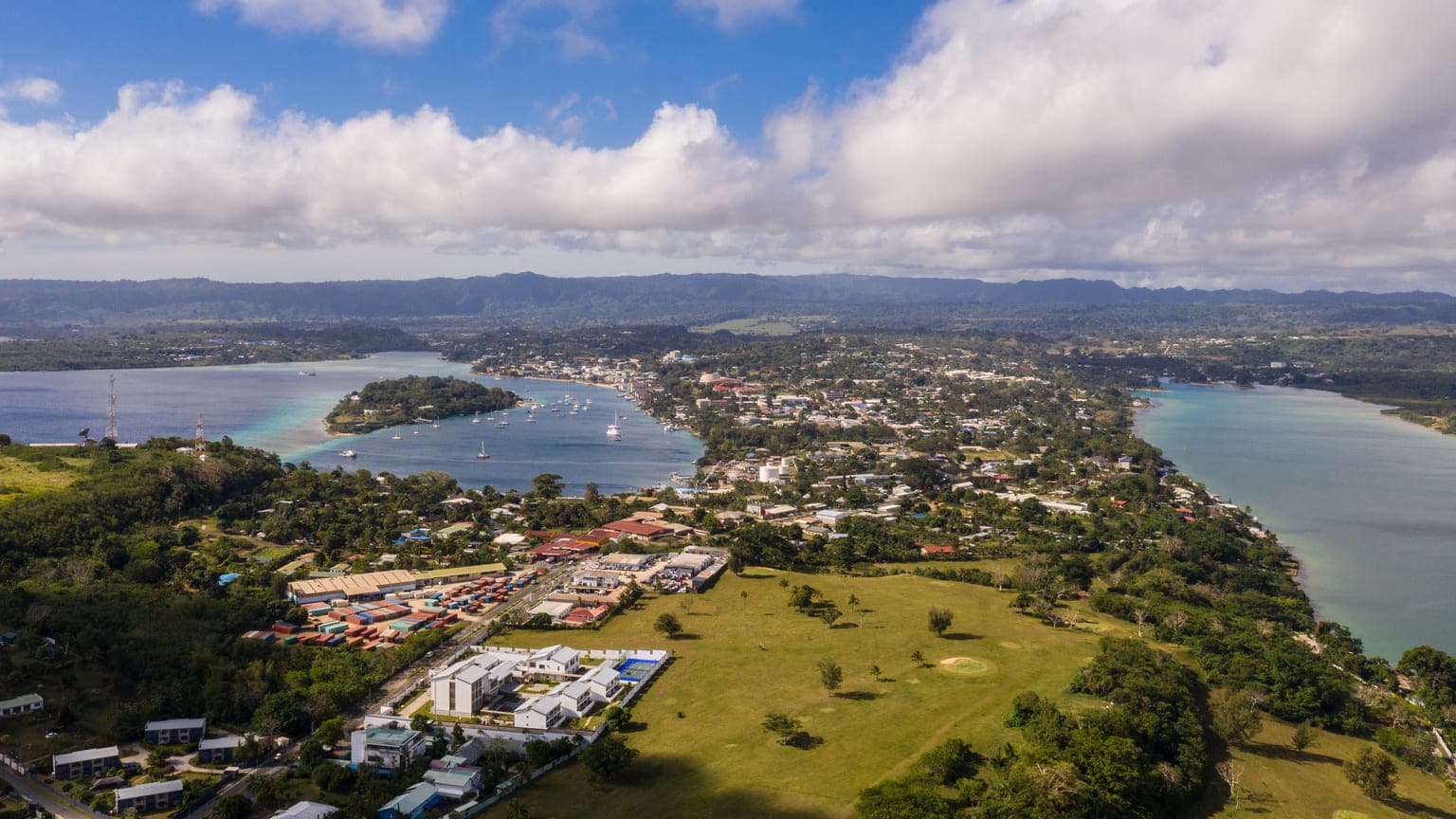
    Vanuatu, a stunning archipelago in the South Pacific, offers a straightforward CBI program that has attracted numerous investors. The Vanuatu Citizenship Program was established in 2017 and is known for its efficiency and quick processing times, allowing successful applicants to receive citizenship within a few months.

    Key Benefits of Vanuatu Citizenship

    • Visa-Free Travel: Holders of Vanuatu passports can access over 130 countries without the need for a visa, including the UK and Schengen Area.
    • No Income Tax: Vanuatu does not impose income tax on foreign income, making it attractive to business owners and high-net-worth individuals.
    • Minimal Residency Requirements: Applicants are not required to reside in Vanuatu, providing flexibility for those who wish to maintain their primary residence elsewhere.
    • Quick and Hassle-Free Process: The citizenship application process is known for its speed, typically taking 1 to 2 months from submission to approval.

    The Caribbean Citizenship Landscape

    Several Caribbean nations offer CBI programs, including Antigua and Barbuda, Saint Kitts and Nevis, Dominica, Grenada, and Saint Lucia. Each country has its own distinct advantages and appeal, but generally, the Caribbean offers attractive options for obtaining second citizenship.

    Key Benefits of Caribbean Citizenship

    • Variety of Options: Different Caribbean nations provide various investment pathways, from real estate to government funds, allow applicants to choose based on personal preferences and financial goals.
    • Visa-Free Travel: Caribbean citizenship enables access to numerous countries, with holders able to travel to the UK, the Schengen Zone, and parts of Asia.
    • Investment in Emerging Markets: Investing in Caribbean real estate or economy can be financially rewarding due to tourism and economic growth.
    • Family Inclusion: Most Caribbean CBI programs allow inclusion of dependents, making it a family-oriented investment.

    Comparative Analysis: Vanuatu vs Caribbean Citizenship

    While both Vanuatu and Caribbean nations offer attractive citizenship options, there are key differences that prospective applicants should consider:
    Investment Requirements

    Vanuatu’s investment requirement is typically lower than many Caribbean countries, particularly when considering real estate commitments. However, Caribbean nations offer more diverse investment options, often allowing investors to choose paths that align with their financial strategy.

    Processing Times

    Vanuatu is renowned for its fast processing times, with applicants often receiving their passports within two months. In contrast, Caribbean programs can vary significantly in processing speeds, with some programs taking longer due to bureaucratic procedures.

    Tax Considerations

    Both Vanuatu and most Caribbean nations have favorable tax regimes, particularly concerning income earned overseas. However, potential investors should consider additional tax implications based on their current residency status and future plans.

    Quality of Life

    When selecting a citizenship program, quality of life is a critical factor. Both Vanuatu and Caribbean countries boast beautiful environments, warm climates, and vibrant cultures. However, lifestyle specifics such as healthcare, education, and infrastructure vary significantly between these regions.

    Conclusion

    Deciding between Vanuatu and Caribbean citizenship involves careful consideration of personal financial goals, lifestyle preferences, and travel needs. Vanuatu stands out for its straightforward process and low investment requirements, while the Caribbean offers diverse options and an established living environment. Ultimately, prospective applicants should conduct thorough research and possibly consult with immigration professionals to select the best path for their individual circumstances.

    Final Thoughts

    The world of citizenship by investment is vast and constantly evolving. Whether opting for the serene beaches of Vanuatu or the vibrant lifestyle of the Caribbean, ensuring that you make an informed decision is crucial. Take the time to weigh your options, understand the implications, and choose a destination that enhances not just your mobility but also your life experience.

  • Understanding the Role of OFAC Lawyers in Sanctions Compliance

    Understanding the Role of OFAC Lawyers in Sanctions Compliance

    The increasing complexities of international trade and finance necessitate the guidance of legal experts. One such area requiring specialized knowledge is compliance with the Office of Foreign Assets Control (OFAC) regulations. OFAC lawyers OFAC Lawyers play a pivotal role in helping businesses navigate these intricate legal landscapes, ensuring they operate within the bounds of U.S. laws while engaging in global commerce.

    What is OFAC?

    The Office of Foreign Assets Control (OFAC) is an office of the U.S. Department of the Treasury that administers and enforces economic and trade sanctions based on U.S. foreign policy and national security goals. These sanctions often target countries, entities, and individuals involved in activities that violate U.S. law, including terrorism, narcotics trafficking, and the proliferation of weapons of mass destruction.

    The Importance of OFAC Compliance

    Violations of OFAC regulations can lead to severe penalties, including hefty fines and restrictions on doing business. To mitigate the risks, companies must ensure compliance, which involves understanding the nuances of the sanctioned parties and jurisdictions.

    In today’s interconnected global economy, even a minor oversight can have catastrophic implications for businesses. Therefore, enlisting the help of skilled OFAC lawyers is essential for organizations engaged in international activities.

    How OFAC Lawyers Assist Companies

    OFAC lawyers provide an array of services geared towards ensuring comprehensive compliance with sanctions laws:

    1. Risk Assessment and Due Diligence

    One of the primary roles of OFAC lawyers is to conduct thorough risk assessments. This involves identifying potential exposures to sanctions violations and implementing due diligence processes to vet partners, clients, and suppliers. By meticulously reviewing existing and proposed business relationships, OFAC lawyers can help minimize the risk of inadvertent sanctions violations.

    2. Compliance Programs Development

    Implementing a robust compliance program is critical for any organization involved in international trade. OFAC lawyers assist in developing tailored compliance programs that align with the specific needs and risks of the business. These programs often include training modules for employees, standard operating procedures, and monitoring systems to detect potential violations.

    3. Navigation of Licensing Procedures

    In cases where engagement with a sanctioned party is essential, OFAC lawyers can help navigate the licensing process. They understand the legal requirements and can assist in drafting and submitting requests for licenses, thereby ensuring that companies adhere to regulations while pursuing legitimate business interests.

    4. Representation in Investigations and Penalties

    In the event of a suspected violation, OFAC lawyers are invaluable allies. They represent clients in investigations, liaise with the Treasury Department, and help negotiate settlements or mitigation of penalties. Their expertise can prove essential in reducing fines or avoiding legal repercussions altogether.

    Key Qualities to Look for in an OFAC Lawyer

    When selecting an OFAC lawyer, organizations should consider several key qualities:

    1. Experience with OFAC Regulations

    It’s crucial to work with a lawyer who has extensive experience in OFAC compliance. Such expertise allows them to understand the intricacies of the laws and provide insightful guidance tailored to your specific industry.

    2. Strong Negotiation Skills

    OFAC lawyers often need to negotiate with government agencies on behalf of their clients. Effective negotiation skills can lead to favorable outcomes, whether in obtaining licenses or disputing penalties.

    3. Excellent Communication Skills

    Given the complexity of sanctions regulations, OFAC lawyers must be able

    to communicate effectively and clearly. They should be adept at explaining intricate concepts to clients and ensuring all stakeholders understand their compliance obligations.

    4. Ethical Integrity

    OFAC lawyers must maintain the highest ethical standards, especially when dealing with regulations that have significant implications for national security. Trustworthiness and integrity are paramount in this field.

    Common Misconceptions about OFAC Lawyers

    Despite their importance, several misconceptions about OFAC lawyers persist:

    1. They Only Help in Crisis Situations

    While OFAC lawyers are crucial during crises, their role is proactive, focusing on preventing violations rather than merely responding to them.

    2. OFAC Compliance is Only Relevant to Large Corporations

    In reality, businesses of all sizes engaging in international transactions must comply with OFAC regulations. Therefore, small and medium-sized enterprises also benefit significantly from the services provided by OFAC lawyers.

    Conclusion

    In an increasingly globalized world, the role of OFAC lawyers has become indispensable. These legal professionals help safeguard businesses by ensuring compliance with sanctions regulations, minimizing risks, and navigating the complexities of international law. By securing the services of OFAC lawyers, organizations can confidently engage in international transactions while adhering to their legal obligations.

    As the landscape of global trade continues to evolve, the expertise of OFAC lawyers will remain critical in helping businesses thrive within legal frameworks. Engaging a qualified OFAC lawyer is not just a smart business decision; it’s a proactive step towards ensuring your organization’s integrity and longevity in international markets.

  • Vanuatu vs Caribbean Citizenship A Comprehensive Comparison

    Vanuatu vs Caribbean Citizenship: Which Is Better?

    In the realm of global citizenship, options abound for individuals seeking a second passport. Among the most sought-after programs are those in Vanuatu and the Caribbean. Each offers unique benefits, costs, and requirements. In this article, we will delve deeply into Vanuatu vs Caribbean Citizenship: Which Is Better? to help you make an informed decision about which destination may suit your lifestyle and needs best.

    Understanding Citizenship by Investment Programs

    Citizenship by investment (CBI) programs allow individuals to acquire a passport in exchange for a significant financial contribution to the host country. These programs typically involve investing in real estate, contributing to a national development fund, or making a substantial donation to a designated project. CBI offers several advantages, including visa-free travel, tax benefits, and the right to reside and work in the host country.

    Vanuatu Citizenship: Overview

    Vanuatu, an archipelago in the South Pacific, is known for its stunning natural beauty and relaxed lifestyle. Since 2017, it has offered a Citizenship by Investment program that has garnered significant attention globally. The program primarily requires applicants to make a non-refundable contribution to the Vanuatu Development Support Program (VDSP).

    Benefits of Vanuatu Citizenship

    • Fast Processing: The processing time for Vanuatu citizenship is relatively quick, typically taking around 1 to 2 months.
    • Visa-Free Travel: Vanuatu passport holders enjoy visa-free access to over 130 countries, including the Schengen Area, the UK, and Russia.
    • Tax Benefits: Vanuatu has no income tax, capital gains tax, or inheritance tax, making it an attractive option for high-net-worth individuals.
    • Peaceful and Safe Environment: Vanuatu is known for its political stability, safety, and a relaxed lifestyle.
    • Opportunity for Future Generations: Citizenship can be passed on to future generations, providing them with similar benefits.

    Caribbean Citizenship: Overview

    The Caribbean region offers multiple CBI programs, with standout nations such as St. Kitts and Nevis, Dominica, Grenada, and Antigua and Barbuda. Each program has its unique set of benefits and requirements, often appealing to investors from various regions, including Europe, Asia, and the Middle East.

    Benefits of Caribbean Citizenship

    • Diverse Options: The Caribbean features several CBI programs, allowing for flexibility in investment choices ranging from real estate to government-approved donations.
    • Visa-Free Travel: Caribbean passports offer visa-free or visa-on-arrival access to numerous countries, including the EU Schengen Area and the UK.
    • Stable Economies and Investment Opportunities: Many Caribbean nations are economically stable with potential business opportunities in tourism and real estate.
    • Attractive Tax Regimes: Several Caribbean nations have low tax rates, appealing to high-net-worth individuals looking for tax optimization.
    • Family Inclusion: Most Caribbean CBI programs permit applicants to include family members in their citizenship application.

    Costs: A Comparative Analysis

    The costs associated with acquiring citizenship in Vanuatu and the Caribbean can vary significantly. In Vanuatu, the primary requirement is a minimum donation of approximately $130,000 for a single applicant to the VDSP. Additional fees such as processing charges and due diligence fees may apply.

    In contrast, the Caribbean programs offer a spectrum of pricing depending on the nation and the investment route chosen. For example, the St. Kitts and Nevis program requires a minimum investment of $150,000 in a government-approved real estate project or a contribution of $100,000 to the Sustainable Growth Fund. Overall, costs can range from $100,000 to $250,000 or more, depending on the pathway chosen.

    Residency Requirements

    One of the significant differences between Vanuatu and Caribbean citizenship is the residency requirement. Vanuatu does not impose any residency obligations, allowing passport holders to live anywhere globally. Conversely, certain Caribbean countries may require applicants to spend some time in their territory before being granted citizenship.

    Processing Time

    The processing time for Vanuatu citizenship is generally faster than that of most Caribbean nations. Vanuatu can process an application within 1 to 2 months, while Caribbean programs often have processing times ranging from 3 to 6 months or longer, depending on the specific country’s regulations and the volume of applications.

    Reputation and Stability

    When considering citizenship by investment, it’s crucial to assess the reputation and political stability of the host country. Vanuatu has gained recognition for its straightforward processes and favorable environment. In contrast, the Caribbean nations also have strong reputations; however, varying degrees of economic stability and political history should be considered. Investors should research the specific country of interest to ensure it aligns with their values and investment goals.

    Conclusion: Which Option is Right for You?

    Choosing between Vanuatu and Caribbean citizenship ultimately depends on your personal preferences, financial situation, and long-term goals. If you prioritize a quick application process without residency requirements, Vanuatu may be the optimal choice. On the other hand, if you value diverse investment options and the potential for family inclusion, a Caribbean program might be more suitable.

    Both options present unique advantages, making them attractive to different types of investors. As global mobility becomes increasingly important, understanding the nuances of these programs will empower you to make a well-informed decision. Whether you opt for the picturesque landscapes of Vanuatu or the vibrant culture of the Caribbean, either path serves as a gateway to global freedom and opportunity.

  • Understanding Unlawful Detention and Arrest Defense Your Rights Explained

    Unlawful Detention and Arrest Defense: Know Your Rights

    In today’s world, understanding your rights surrounding unlawful detention and arrest is crucial. Many people are unaware of the legal protections afforded to them, which can lead to unintended consequences. Unlawful Detention & Arrest Defense encompasses a range of legal expectations and safeguards that ensure law enforcement acts within the boundaries of the law. This article aims to provide a thorough exploration of unlawful detention and the defense options available to those who find themselves in such a situation.

    What Constitutes Unlawful Detention?

    Unlawful detention occurs when an individual is held by law enforcement without proper legal justification. This can include situations where the police do not have probable cause, warrant, or exigent circumstances to justify the arrest or detention. Understanding the parameters around lawful and unlawful detention is essential, as it influences the defense strategies available to individuals who may have been wrongfully detained.

    Key Terms Defined

    To fully grasp the concept of unlawful detention, it’s essential to understand some key terms:

    • Probable Cause: A reasonable basis for believing that a crime may have been committed. It is necessary for an arrest to be considered lawful.
    • Warrant: A legal document issued by a judge authorizing law enforcement to perform a certain act, usually the arrest of an individual.
    • Exigent Circumstances: Situations that require immediate action by law enforcement, which may justify a warrantless arrest or search.

    Your Rights During Detention

    When detained by law enforcement, individuals have specific rights that must be upheld. Understanding these rights can empower individuals and inform their actions during a potentially high-stress situation:

    • The Right to Remain Silent: Under the Fifth Amendment, you have the right to refuse to answer questions posed by law enforcement.
    • The Right to Legal Counsel: You have the right to an attorney, and if you cannot afford one, the state must provide one for you.
    • The Right to Know the Charges: You have the right to be informed of the nature of the charges against you in a timely manner.

    Common Scenarios of Unlawful Detention

    Unlawful detention can manifest in various ways. Here are common scenarios:

    1. Stop-and-Frisk Violations: Law enforcement initiating a search or seizure without reasonable suspicion.
    2. Exceeding the Time Limit: Holding an individual without charge for an unreasonable length of time.
    3. Lack of Probable Cause: Detaining an individual without sufficient evidence or justification for the arrest.

    Legal Avenues for Challenging Unlawful Detention

    If you believe you have been unlawfully detained, there are several legal avenues available for recourse:

    1. Legal Representation

    Engaging an experienced attorney familiar with unlawful detention laws can significantly improve your chances of pursuing a successful defense. They can help you navigate the complexities of the legal system and develop a strategy tailored to your case.

    2. Filing a Complaint

    Filing a complaint with the law enforcement agency involved can be an avenue for formal acknowledgment of the wrongful act. This step often leads to an internal investigation.

    3. Civil Lawsuit

    In some cases, individuals may choose to pursue a civil lawsuit against the law enforcement agency for damages resulting from unlawful detention. This can involve claims under federal civil rights laws.

    Conclusion

    Being informed about your rights concerning unlawful detention and arrest is not just beneficial; it is essential. The legalities surrounding such situations can be complex, so understanding the concepts and your rights can equip you better if you ever face such an ordeal. Remember, your freedom is invaluable, and knowing how to defend it is a critical aspect of navigating the legal system.

    If you or someone you know is facing unlawful detention, seeking professional legal advice is crucial. Understanding the intricacies of the law can help protect your rights and ensure that justice is served.

  • Understanding the Costs of Nauru Citizenship

    Understanding the Costs of Nauru Citizenship

    Acquiring Nauru citizenship can be an attractive option for many individuals seeking new opportunities and benefits. However, understanding the associated costs is essential for anyone considering this path. For a detailed breakdown of expenses, you can check this article: How Much Does Nauru Citizenship Cost? In this article, we will explore the various costs and considerations involved in obtaining citizenship in Nauru.

    Overview of Nauru Citizenship

    Nauru is a small island nation in the Pacific Ocean, known for its remote location and unique citizenship options. Gaining citizenship in this country can provide numerous benefits, such as the ability to travel visa-free to several countries, access to quality education, and the opportunity to invest in a growing economy. However, acquiring Nauru citizenship is not without its financial implications.

    Application Fees

    The first cost to consider when applying for Nauru citizenship is the application fee. This fee may vary depending on the specific program under which you are applying. Generally, the application fee for Nauru citizenship can range from several hundred to a few thousand dollars. It’s vital to verify the latest fee schedule provided by the Nauru government or relevant authorities handling citizenship applications.

    Legal and Processing Fees

    Engaging legal assistance when applying for citizenship is often advisable, particularly for navigating the complexities of immigration law. Legal fees can vary widely based on the service provider’s experience and the complexity of your case. On average, you may expect to pay anywhere from $2,000 to $5,000 for legal fees associated with the citizenship application process.

    Residency Requirements

    In most cases, acquiring Nauru citizenship may require meeting specific residency requirements. Applicants may need to live in Nauru for a certain period, which can lead to additional living expenses such as housing, food, and other daily necessities. The length of required residency may vary based on the citizenship program, and this aspect should be factored into your total costs.

    Investment Opportunities

    Nauru offers pathways to citizenship through investment, which may require a significant financial commitment. Applicants could be expected to make a substantial capital investment in Nauru’s economy, such as funding local businesses or contributing to property development. The investment amount can be quite high, ranging from $100,000 to several million dollars, depending on the nature of the investment.

    Additional Costs

    Beyond the primary application and legal fees, there are various additional costs that applicants should anticipate. These may include expenses for document preparation, translation services, and any necessary background checks. Additionally, applicants should consider travel expenses for trips to and from Nauru during the application process.

    Health Insurance and Financial Stability

    As part of the citizenship process, applicants may need to demonstrate health insurance coverage and financial stability. Depending on the health insurance provider and coverage level, applicants should be prepared for health insurance costs, whic

    h can vary significantly. Ensuring adequate financial means might also entail demonstrating sufficient savings or income to support living in Nauru temporarily.

    Potential Savings and Benefits

    While the costs associated with gaining Nauru citizenship can seem daunting, potential long-term benefits may justify the expenses. Nauru citizens enjoy certain privileges like visa-free access to various countries, which could result in savings on international travel compared to other nationalities. Additionally, Nauru’s relatively low cost of living can translate into financial benefits for those who settle there.

    Conclusion

    In summary, acquiring Nauru citizenship entails a range of costs, including application fees, legal assistance, residency requirements, and potential investment amounts. While these expenses may appear significant, weighing them against the benefits of Nauru citizenship is essential for making a well-informed decision. By doing thorough research and potentially consulting with immigration experts, individuals can prepare adequately for the financial commitments required for obtaining citizenship in this unique island nation.

  • Unlocking Financial Freedom The Essential Guide to Frozen Assets Recovery

    Unlocking Financial Freedom: The Essential Guide to Frozen Assets Recovery

    If you’ve ever found your financial assets unexpectedly frozen due to legal or regulatory issues, you’re not alone. The complexities associated with frozen assets recovery can be daunting, but understanding the process can help you regain control of your finances. In this guide, we’ll explore what frozen assets are, the reasons they may be seized, and effective strategies for recovering them, including the importance of professional assistance in navigating through these complex matters. For more details and expert help on this topic, visit Frozen Assets Recovery.

    What Are Frozen Assets?

    Frozen assets refer to funds or properties that are temporarily restricted from being used or accessed by the owner. This ban usually lasts until the resolution of a legal matter or regulatory investigation. Such assets can include bank accounts, real estate, stocks, and other financial instruments. The freezing of assets can occur due to various reasons including pending litigation, tax issues, compliance with international sanctions, or as part of a criminal investigation. For individuals and businesses alike, this scenario can result in significant financial turmoil and stress.

    Common Reasons for Asset Freezing

    The reasons that may lead to the freezing of assets are numerous, but some of the most prevalent include:

    • Legal Disputes: If you are involved in litigation or if a court orders a freeze on your assets pending the outcome of a case, your funds may be restricted.
    • Unpaid Taxes: Tax authorities may freeze bank accounts or seize property if taxes owed are not paid on time.
    • Fraud Allegations: If there’s suspicion of fraud or illegal activities, law enforcement agencies may freeze assets as part of their investigation.
    • Sanctions Compliance: Businesses and individuals can find their assets frozen if they inadvertently or knowingly deal with sanctioned individuals or countries.

    The Impact of Frozen Assets

    The implications of having your assets frozen can be profound. In personal finance, those impacted may struggle to pay bills, meet mortgage or loan obligations, or cover daily living expenses. For businesses, asset freezes can halt operations, prevent payroll from being met, and potentially lead to bankruptcy. Additionally, prolonged asset freezes can damage reputations and trust with clients, partners, and stakeholders.

    Steps to Recover Frozen Assets

    Recovering frozen assets can be a complex path, often requiring legal expertise and knowledge of the specific regulatory framework involved. Here are critical steps to take when tackling frozen assets:

    1. Understand the Reason for the Freeze

    The first step is to comprehend why your assets have been frozen. Request relevant documents or notifications from banks or regulatory agencies which can clarify the situation. Knowing the cause is vital in determining your next moves.

    2. Gather Documentation

    Document everything related to your assets and the freeze itself. This includes bank statements, transaction records, communication with agencies, and any legal notices you’ve received. Proper documentation will be crucial in building your case.

    3. Seek Legal Advice

    Engaging a legal expert who specializes in asset recovery is highly recommended. An experienced attorney can navigate the complexities of your case, negotiate with the authorities, and represent you in court if necessary. They can also provide guidance on the best approach to take based on the specific circumstances of your situation.

    4. Respond to Legal Notices

    If you have received any legal notifications regarding your frozen assets, it’s essential to respond promptly. Noncompliance could worsen your situation, while a timely response can show that you are taking the matter seriously.

    5. Consider an Appeal

    Depending on the jurisdiction and reasons for the asset freeze, you may have the option to appeal the decision. Work closely with your attorney to assess the viability of this option. If successful, this could lead to the release of your frozen assets.

    6. Maintain Clear Communication

    Throughout the recove

    ry process, keeping in contact with your bank, legal representatives, and any relevant authorities is critical. Transparency helps in rebuilding trust and may facilitate a quicker resolution of your case.

    Preventing Future Freezes

    Once you have successfully navigated the recovery of frozen assets, it is important to take steps to minimize the risk of future freezes:

    • Tax Compliance: Ensure that you are up to date with any tax obligations.
    • Review Transactions: Regularly monitor your financial transactions to ensure you are not unintentionally engaging in illicit activities.
    • Stay Informed: Keep track of any sanctions or regulations that apply to your business or investments, particularly if you operate internationally.

    Conclusion

    Recovering frozen assets requires a strategic approach, informed decision-making, and often expert legal representation. With the complexities involved, navigating this process can indeed be overwhelming. However, by understanding the reasons behind asset freezes, following the proper channels for recovery, and taking preventive measures, you can regain control of your financial situation. Don’t hesitate to seek professional assistance and leverage the tools available to facilitate your frozen assets recovery.

  • Unlocking Opportunities Sao Tome Citizenship for Investors 947541890

    Sao Tome Citizenship for Investors: A Pathway to New Possibilities

    The concept of citizenship by investment (CBI) has gained significant traction worldwide, allowing investors to obtain citizenship through financial contributions to a country. One of the most attractive programs is
    Sao Tome Citizenship for Investors Sao Tome CBI, which offers not just a passport but a gateway to a plethora of opportunities in one of Africa’s hidden gems, Sao Tome and Principe.

    Understanding Sao Tome and Principe

    Sao Tome and Principe is a small archipelago located in the Gulf of Guinea, off the western coast of Central Africa. It is well-known for its stunning natural beauty, rich biodiversity, and vibrant culture. The country boasts a stable political environment and a growing economy, primarily fueled by agriculture, tourism, and fishing. Its strategic location between Africa and South America makes it an ideal place for investors looking to expand their influence in these regions.

    The Citizenship by Investment Program

    The Sao Tome and Principe citizenship by investment program was established to attract foreign investment into the country. This initiative allows individuals and families to gain citizenship and an accompanying passport through prescribed investments. The program has been designed to encourage foreign individuals to contribute to the country’s development while also benefiting from the economic stability and opportunities that citizenship provides.

    Investment Options

    Investors interested in obtaining Sao Tome citizenship have several options available to them, including:

    • Real Estate Investment: Investors can purchase real estate in Sao Tome and Principe, contributing to the local economy while acquiring citizenship. The minimum investment amount typically starts at a set threshold, making it accessible for a range of investors interested in property ownership.
    • Government Bonds: Another option is to invest in government bonds, reflecting a commitment to the nation’s growth and development. This option can be appealing for those looking for a safer return on investment.
    • Investment in Local Business: By investing in existing businesses or initiating new ventures, investors can enhance economic activity while also creating jobs and supporting local communities.

    Benefits of Sao Tome Citizenship

    Acquiring citizenship in Sao Tome and Principe through investment comes with a multitude of benefits, including:

    • Visa-Free Travel: A Sao Tome passport offers visa-free or visa-on-arrival access to numerous countries worldwide, including the Schengen Area and several Commonwealth nations.
    • Tax Benefits: The country has a favorable tax regime for foreign investors, making it an attractive option for those looking to optimize their financial investments.
    • Security and Stability: With a stable political background and ongoing efforts for economic development, investors can feel secure in their investment endeavors.
    • Residency Opportunities: Along with citizenship, investors can gain residency rights for themselves and their families, alongside the possibility of living and working in a peaceful and idyllic environment.

    The Application Process

    Obtaining Sao Tome citizenship through investment is a relatively straightforward process, typically involving the following steps:

    1. Consultation: Initial consultation with a legal advisor or citizenship agent to navigate the requirements and understand the best investment option that fits the investor’s profile.
    2. Investment: Making the required investment in real estate, government bonds, or local businesses.
    3. Documentation: Submitting the necessary documentation, including identification, investment plans, and background checks.
    4. Approval: Awaiting approval, which can take several months, after which investors will be informed of the final decision.
    5. Ceremony and Passport Issuance: Upon approval, the investor and their family will need to attend a ceremony, following which they will receive their official passports.

    Tips for Investors Considering Sao Tome Citizenship

    As with any significant investment, there are key considerations to keep in mind:

    • Research Thoroughly: Invest time in understanding the local market, culture, and legal requirements before making a commitment.
    • Engage Professionals: Hiring local experts, including legal professionals and real estate consultants, can help navigate the complexities and ensure that all investments comply with local laws.
    • Long-term Outlook: Consider the long-term implications of your investment and citizenship, focusing on whether it aligns with your personal, professional, and financial goals.

    Conclusion

    Sao Tome and Principe presents a unique opportunity for investors through its citizenship by investment program. With the promise of a peaceful lifestyle, lucrative investment returns, and a gateway to numerous countries, it stands out as a compelling choice in the global CBI landscape. As the program continues to evolve, prospective investors should stay informed and consider taking the first step towards new possibilities in this picturesque archipelago.

  • Vanuatu vs Caribbean Citizenship Comparing Benefits and Drawbacks

    Vanuatu vs Caribbean Citizenship: Which is Better?

    When it comes to obtaining a second citizenship, individuals often face a tough decision between various global options. Among the most popular choices are Vanuatu and Caribbean citizenship programs. Both regions offer unique benefits and routes to citizenship, but which one is better suited for your needs? In this article, we will explore the key aspects of both citizenship programs, helping you to make an informed choice. If you want to dive deeper into this topic, check out Vanuatu vs Caribbean Citizenship: Which Is Better?.

    Overview of Vanuatu and Caribbean Citizenship Programs

    Vanuatu is an island nation located in the South Pacific Ocean. Its citizenship by investment program stands out due to its simplicity and speed. The program was launched in 2017, offering individuals a straightforward route to obtaining second citizenship through investment in development projects in the country.

    On the other hand, the Caribbean region includes several countries like St. Kitts and Nevis, Dominica, Grenada, and Antigua and Barbuda, each with its own citizenship by investment programs. These programs have been around longer and have attracted many investors due to their various benefits.

    Application Process

    Vanuatu Citizenship Application

    The application process for Vanuatu citizenship is notably efficient. Applicants are required to make a minimum investment of $130,000 in the Vanuatu Development Support Program. The entire process usually takes around 1-2 months from application submission to approval. It is also worth noting that Vanuatu does not impose residence requirements, making it an appealing choice for many investors seeking fast and flexible options.

    Caribbean Citizenship Applications

    In contrast, the Caribbean citizenship programs vary widely in terms of requirements and processes. For example, St. Kitts and Nevis requires an investment starting at $150,000 in real estate or a contribution to the Sugar Industry Diversification Foundation. This process can take between 3 to 6 months, and some nations require a physical presence during the process, which could add to travel expenses.

    Investment Requirements

    Comparison of Investment Amounts

    Investment requirements play a significant role in choosing a citizenship program. The minimum investment in Vanuatu is relatively low at $130,000, compared to countries in the Caribbean, where investments usually start from $150,000 and can go much higher depending on the type of investment. For example, Grenada requires a minimum investment of $150,000 in real estate, along with additional application fees.

    However, while Vanuatu may have lower initial costs, the added expenses for legal fees and documentation can sometimes nullify the perceived advantages of the lower minimum investment.

    Additional Benefits

    Vanuatu Citizenship Benefits

    Obtaining citizenship in Vanuatu comes with several perks. One of the most significant advantages is tax benefits; Vanuatu has no income tax, no capital gains tax, and no inheritance tax, making it an attractive option for those looking to optimize their tax obligations. Furthermore, Vanuatu citizens enjoy visa-free travel to over 130 countries, including the UK and the Schengen Area.

    Caribbean Citizenship Benefits

    The Caribbean offers a diverse array of benefits based on the specific country of citizenship. For instance, St. Kitts and Nevis provide one of the most powerful passports in the Caribbean with visa-free access to over 150 countries. Additionally, several Caribbean nations have strong ties to the UK and the US, making travel and doing business in these regions more straightforward. Some countries even provide opportunities for lower taxation rates on foreign income.

    Quality of Life

    Living in Vanuatu

    Vanuatu boasts stunning natural beauty, with its pristine beaches, volcanic landscapes, and vibrant cultures. The quality of life is generally high, characterized by a laid-back lifestyle and a strong sense of community. However, it’s important to note that some amenities and services may be limited due to its remote location.

    Living in the Caribbean

    On the other hand, the Caribbean offers a variety of more developed urban centers with access to modern amenities, entertainment, and educational systems. Many Caribbean nations have well-established expat communities, which can ease the transition for new citizens. However, living costs can also be higher in some regions compared to Vanuatu.

    Conclusion

    When evaluating Vanuatu vs. Caribbean citizenship, the choice ultimately depends on individual priorities and circumstances. If you are looking for a fast, straightforward application process with lower investment requirements and the allure of a tranquil island life, Vanuatu could be the ideal choice. However, if you prioritize a more extensive passport with greater travel freedom and access to international markets, the Caribbean may offer a better fit for your needs.

    Understanding the specific benefits of each program will be crucial in making the right decision. Whether you choose Vanuatu or a Caribbean nation, securing second citizenship can significantly enhance your lifestyle and international opportunities.

  • Unlocking Opportunities The Benefits of a Sao Tome Passport

    Unlocking Opportunities: The Benefits of a Sao Tome Passport

    The Sao Tome passport represents more than just a travel document; it symbolizes access to new opportunities, experiences, and global citizenship. For many, Passport from Sao Tome and Principe offers numerous advantages that extend far beyond its geographical confines. Understanding these benefits can help potential applicants make informed decisions regarding their citizenship journey.

    Historical Overview of Sao Tome and Principe

    Sao Tome and Principe, an island nation located in the Gulf of Guinea, is not only known for its stunning landscapes and rich biodiversity but also for its unique culture and history. Gaining independence from Portugal in 1975, the country has since emerged as a hub of potential, attracting attention from investors and citizens worldwide. The Sao Tome passport has evolved to reflect the country’s aspirations and its role in international relations.

    Visa-Free Travel: A Key Benefit

    One of the primary advantages of obtaining a Sao Tome passport is the extensive visa-free travel access it provides. Citizens can travel to numerous countries without the hassle of obtaining a visa in advance, facilitating smoother international travel. For instance, Sao Tome passport holders can visit countries in the Schengen Area, several nations in Africa, and parts of South America without stringent visa requirements. This access promotes not only personal freedom but also encourages tourism and business ventures abroad.

    Enhanced Global Mobility

    In an increasingly interconnected world, mobility is paramount. Having a Sao Tome passport enables individuals to broaden their horizons, explore new markets, and engage with diverse cultures. This mobility can be crucial for entrepreneurs, students, and prof

    essionals seeking opportunities that will enrich their personal and professional lives. As barriers to travel diminish, so too do the constraints on individual potential and growth.

    Citizenship by Investment Program

    In addition to traditional routes to citizenship, Sao Tome and Principe offers a Citizenship by Investment (CBI) program. This initiative allows foreign investors to obtain citizenship by contributing significantly to the nation’s development through various avenues, such as real estate or business investments. The CBI program has become increasingly popular, attracting investors seeking not only a passport but also a stake in the growing economy of Sao Tome and Principe. The program is designed to stimulate economic growth while offering investors and their families a valuable second citizenship.

    Quality of Life in Sao Tome and Principe

    Beyond travel and investment opportunities, acquiring a Sao Tome passport may offer a different pace of life in a developing island nation with rich natural resources. The country is known for its peaceful environment, stunning scenery, and a rich cultural heritage. The vibrant community life and strong sense of national identity provide residents with an enhanced quality of life. Additionally, the government has initiatives to improve health care, education, and infrastructure, creating a more attractive environment for both citizens and expatriates.

    Educational and Networking Opportunities

    Obtaining a Sao Tome passport may open doors to numerous educational and professional opportunities. With access to countries that have reciprocal agreements with Sao Tome and Principe, citizens can pursue higher education, research collaborations, internships, and job opportunities that might otherwise be inaccessible. The landscape of global education encourages networking and cultural exchange, vital for personal and professional development.

    Challenges and Considerations

    While the benefits of a Sao Tome passport are significant, potential applicants should also be aware of the challenges. The process of obtaining citizenship, whether through traditional means or investment, can be complex and may require thorough documentation and adherence to legal frameworks. Understanding the requirements and ensuring compliance with regulations are crucial steps in successfully acquiring a Sao Tome passport.

    Conclusion: A World of Opportunities Awaits

    The Sao Tome passport serves as a gateway to a multitude of opportunities, from effortless travel to attractive investment prospects. As the world becomes more intertwined, having a second passport can be a valuable asset, enhancing one’s independence and possibilities. Whether for personal, professional, or investment reasons, understanding the full scope of what a Sao Tome passport offers can empower individuals to make informed choices that align with their aspirations and goals.

  • Understanding the Nauru Citizenship Application Process

    Nauru Citizenship Application Process: A Comprehensive Guide

    The process of obtaining citizenship in Nauru is intricate and requires an understanding of the various steps involved. Nauru Citizenship Application Process Nauru CBI provides a streamlined approach for potential applicants, facilitating a smoother journey towards acquiring citizenship. In this article, we will explore the essential components of the Nauru citizenship application process, including eligibility, documentation, and the benefits of becoming a citizen of this unique island nation.

    Overview of Nauru

    Nauru is a small island country located in the central Pacific Ocean, known for its rich phosphate deposits and its stunning natural landscape. With a population of around 10,000 people, it is one of the smallest countries in the world, both in terms of area and population. Nauru offers a unique blend of cultural influences, primarily derived from its indigenous Nauruan inhabitants and a history of colonization. Its political stability and favorable tax regime make it an attractive destination for individuals seeking citizenship.

    Types of Citizenship in Nauru

    Nauru recognizes several paths to citizenship, including:

    • Naturalization: Foreign nationals who have lived in Nauru for a specified period may apply for citizenship through naturalization.
    • Descent: Individuals with Nauruan parents or grandparents may acquire citizenship by descent.
    • Investment: Nauru has introduced citizenship programs for investors, enabling them to obtain citizenship in return for significant economic contributions to the country.

    Eligibility Requirements

    The eligibility criteria for obtaining Nauru citizenship vary depending on the type of application being pursued. Generally, the common criteria include:

    • Age: Applicants must be at least 18 years old.
    • Residency: A minimum residency period is required, which is typically five years for naturalization applicants.
    • Good character: Applicants must provide evidence of good character, usually through background checks.
    • Financial stability: Proof of financial stability and the ability to support oneself in Nauru is often required.

    Documentary Requirements

    Applicants will need to produce several documents to support their citizenship application. These typically include:

    • A valid passport.
    • Birth certificate.
    • Proof of residency in Nauru (e.g., utility bills, rental agreements).
    • Evidence of financial stability (bank statements, proof of employment).
    • Criminal record check from the applicant’s home country and any country where they have resided for more than six months.

    Application Procedure

    The application process for Nauru citizenship involves several steps:

    1. Gather Documentation: Collect all necessary documents as outlined above.
    2. Complete the Application Form: Fill out the required application form accurately and completely.
    3. Submit Application: Submit the application along with the supporting documents to the relevant Nauruan authorities.
    4. Pay Fees: Be prepared to pay applicable government fees for the application processing.
    5. Attend an Interview: Applicants might be required to attend an interview as part of the application process.
    6. Await Decision: After submission, applicants will need to wait for a decision from the government regarding their citizenship.

    Processing Times

    Processing times for citizenship applications in Nauru can vary. Generally, applicants can expect to wait anywhere from six months to a year for their applications to be processed, depending on the complexity of each case and the completeness of the submitted documentation.

    Benefits of Nauru Citizenship

    Acquiring citizenship in Nauru presents several benefits:

    • Live and work in Nauru: Citizens enjoy the right to live and work in Nauru without restrictions.
    • Access to education and healthcare: Nauruan citizens have access to local education and healthcare services.
    • No income tax: Nauru has a favorable tax regime, enhancing financial benefits for citizens.
    • Cultural enrichment: Citizenship allows individuals to fully immerse themselves in Nauruan culture and participate in the nation’s unique traditions.

    Challenges in the Application Process

    While the Nauru citizenship application process is straightforward, potential applicants may face certain challenges, such as:

    • Documentation issues: Gathering the required documentation can be difficult for some applicants, particularly if they have lived in multiple countries.
    • Long processing times: Applicants may experience frustration due to the lengthy processing times associated with their applications.
    • Understanding legal requirements: The legal landscape and requirements for citizenship can be complex, necessitating careful navigation.

    Conclusion

    The Nauru citizenship application process presents a viable opportunity for foreign nationals looking to reside in a unique and economically stable environment. Understanding the eligibility requirements, documentary needs, and the application procedure can significantly ease the path to obtaining citizenship. Moreover, the benefits that come with Nauru citizenship, combined with the country’s rich cultural heritage, make Nauru an attractive destination for potential citizens. For those interested in exploring citizenship through investment, engaging services like Nauru CBI can provide valuable assistance.